
.png)
.jpg)
.jpg)
SIR 2026
Scientific Session
Late-breaking Abstract
Interventional Oncology
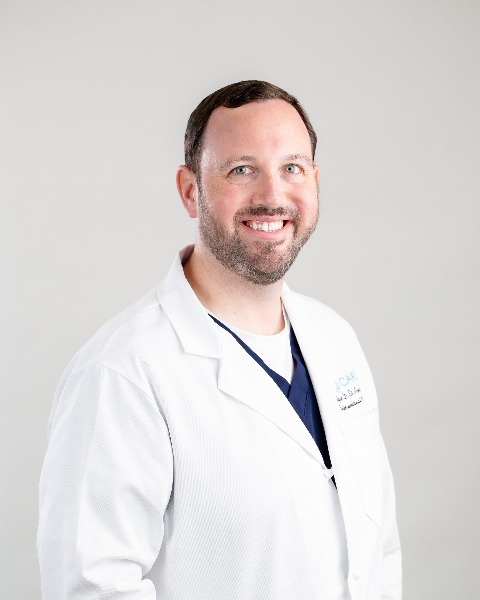
Edgar St. Amour, MD (he/him/his)
Interventional Radiologist
CARTI Cancer Center, Arkansas, United States
A retrospective, single center study to evaluate the ongoing HCC and non-HCC hepatic tumor response in subjects treated in the Instylla Hydrogel Embolic System (HES) Hypervascular Tumor (HVT) Study beyond study completion.
Materials and Methods:
At CARTI Cancer Center (CARTI), a total of 23 patients (15 men, 8 women, average age of 72 years) with hepatic tumors were enrolled in the HVT Study. Of the 23, 13 subjects had HCC tumors, and 10 had non-HCC metastatic tumors. The HVT Study randomized patients to receive HES versus standard of care (SOC) in a 2:1 distribution. Transarterial embolization (TAE) was utilized as the SOC at CARTI. 15 patients were randomized to the HES arm, and 8 to the SOC arm. Three patients were censored (2 - HES, 1- SOC) due to pseudoprogression, further therapy or, loss to follow up, respectively. Subjects with hepatic tumors were evaluated for treated tumor response and additional interventions beyond their IDE study participation. The Modified Response Evaluation Criteria in Solid Tumors (mRECIST) scoring system was used to assess progression for HCC tumors and the Response Evaluation Criteria in Solid Tumors (RECIST) for hepatic non-HCC tumors.
Results: Long term Kaplan Meier estimates for Progression Free Survival for HES and SOC patients show no statistically significant difference in time to progression between the two groups (log-rank p-value 0.63749). The average (min-max) time to progression for the HES patients was 368 (30-1505) days, and for the SOC patients was 372 (87 - 1068) days.
Conclusion: This single center, retrospective data analysis of patient outcomes beyond participation in the HVT Study confirms that the Instylla Hydrogel System, a novel liquid embolic, is comparable to the well-established standard of care treatment of hypervascular hepatic tumors in long-term follow up.