
.png)
.jpg)
.jpg)
SIR 2026
Scientific Session
Late-breaking Abstract
Embolization
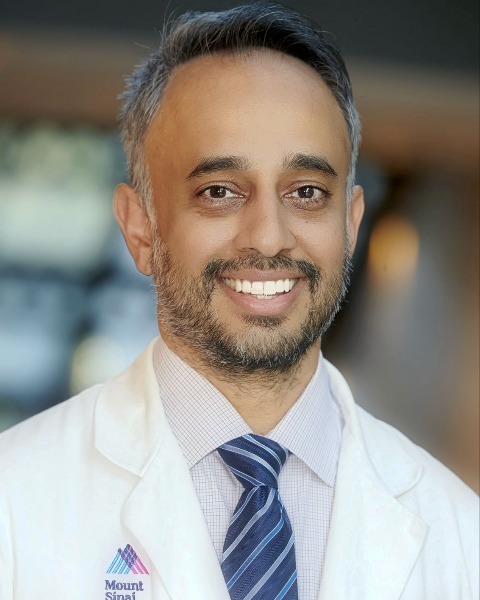
Rahul S. Patel, MD, FSIR (he/him/his)
Associate Professor of Radiology and Surgery
Mount Sinai Medical Center, New York, United States
Ketan Shah, MD
Assistant Professor
MD Anderson, Texas, United States
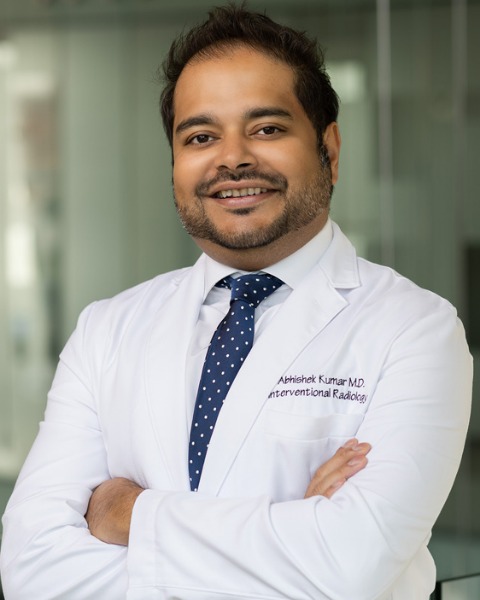
Abhishek Kumar, MD
Division Chief of Vascular and Interventional Radiology
Rutgers New Jersey Medical School, New York, United States
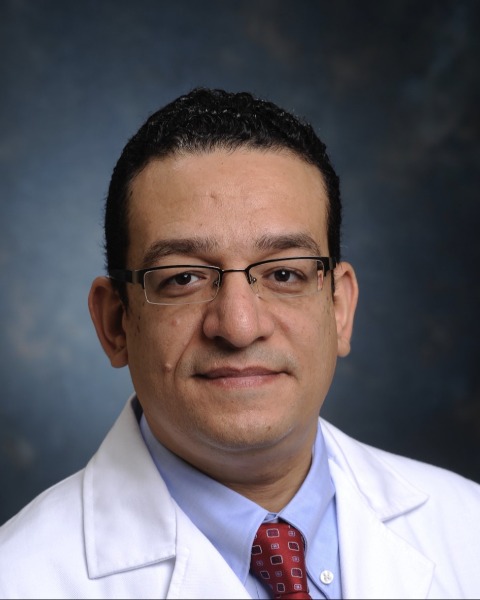
Ahmed M. Kamel Abdel Aal, MD, PhD, FSIR
Professor of Interventional Radiology, Chief of Interventional Radiology
University of Texas Health Science Center at Houston, Texas, United States
Nariman Nezami, MD
Associate Professor
Georgetown University Medical Center, Virginia, United States

Vincent Wu, MD
Interventional Radiologist
Massachusetts General Hospital/ Harvard Medical School, Massachusetts, United States
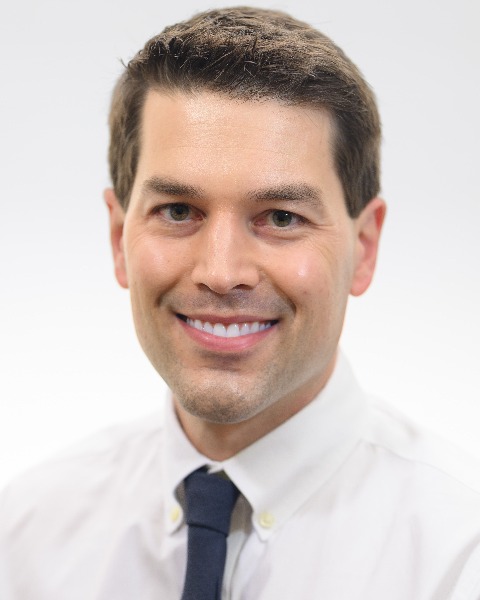
Christopher J. Grilli, DO, FSIR
Attending Physician
Christiana Care, Pennsylvania, United States
Andrew C Gordon, MD, PhD
Interventional Radiologist
Northwestern University, Illinois, United States
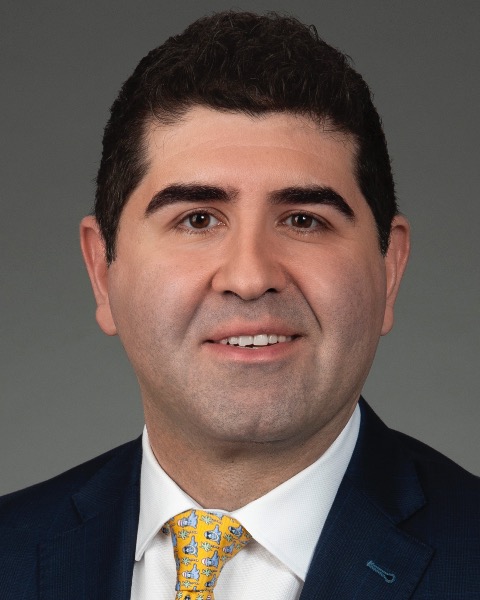
Nima Kokabi, MD
Associate Professor of Radiology
University of North Carolina - Chapel Hill, North Carolina, United States
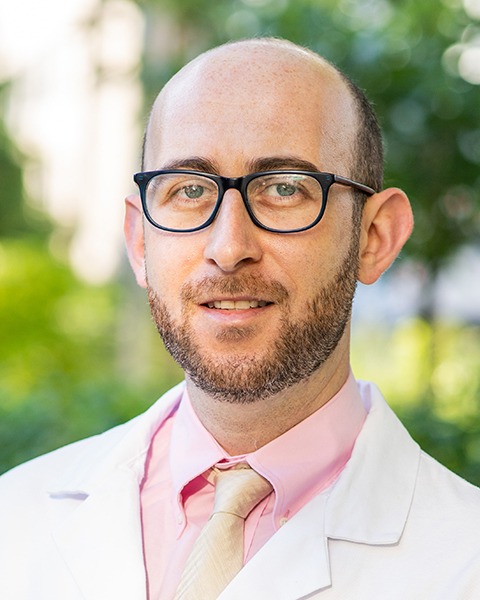
Alexander Ushinsky, MD (he/him/his)
Assistant Professor
Washington University in Saint Louis, Missouri, United States
Pavan Khanna, MD
Interventional Radiology
St Joseph’s Medical Center, California, United States
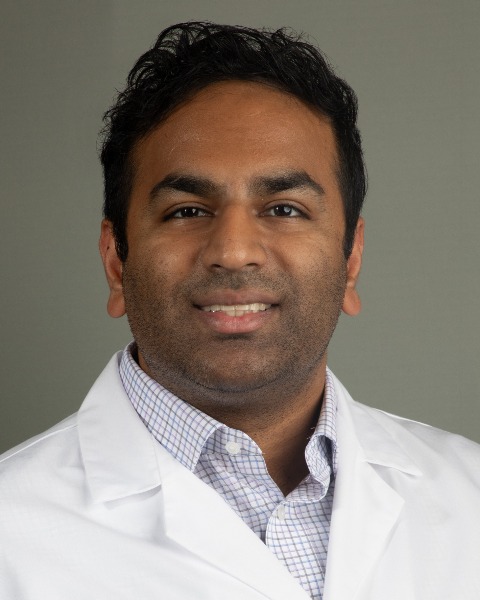
Abdul Khan, MD, RPVI
Assistant Professor
University of Chicago, Illinois, United States
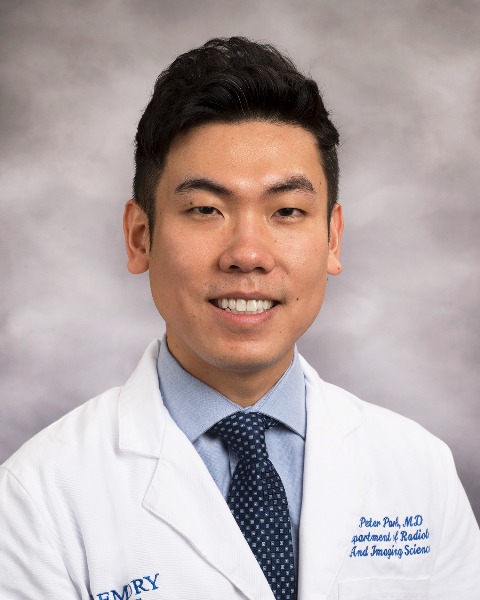
Peter J. Park, MD
Assistant Professor
Emory University, Georgia, United States
Merve Ozen, MD
Associate Professor
Mayo Clinic Arizona, Arizona, United States
Guy Johnson, MD
Associate Professor
University of Washington Medical Center, Washington, United States
Muneeb Ahmed, MD, FSIR
Professor of Radiology
Beth Israel Deaconess Medical Center/Harvard, Massachusetts, United States
Kevin Henseler, MD
Radiology
Mercy Hospital, Minnesota, United States
.jpeg.jpg "Kirema Garcia-Reyes, MD (she/her/hers) photo")
Kirema Garcia-Reyes, MD (she/her/hers)
Assistant Professor
Mount Sinai, New York, United States
Ian Kozlowski, MD
Assistant Professor
University of Kansas Medical Center, Department of Interventional Radiology, Kansas, United States
.jpg "Amanda R. Smolock, MD, PhD photo")
Amanda R. Smolock, MD, PhD
Assistant Professor
Medical College of Wisconsin, Wisconsin, United States
Gary Siskin, MD (he/him/his)
Professor and Chairman, Department of Radiology
Albany Medical Center, New York, United States
The OCCLUDE study evaluated the effectiveness and safety of Obsidio Conformable Embolic (Obsidio) for vascular embolization.
Materials and Methods:
Patients from 19 US centers were embolized using Obsidio and followed for 1-month post-procedure. The primary effectiveness endpoint, technical success, was defined as occlusion of the target vessel(s) confirmed by angiography immediately post-procedure. The primary safety endpoint was freedom from major adverse events (MAE), defined as non-target embolization that met serious adverse event (SAE) criteria, unintended target organ or soft tissue infarction, vessel perforation/injury, or catheter entrapment through 30 days of the index procedure. Secondary endpoints included clinical success, defined as the absence of bleeding from the target vessel(s) within 30 days of the index procedure, and collection of SAEs and adverse device effects (ADE).
Results:
A total of 125 eligible patients were embolized with Obsidio: 98 (78.4%) for bleeding/hemorrhage, 19 (15.2%) for hypervascular tumors (HVTs), and 8 (6.4%) for other indications. Median age was 63.0 years; 111 (88.8%) had a single lesion embolized. 11 (8.8%) had a bleeding disorder history; none had rebleeding after Obsidio. Target arteries were renal (25.3%), non-gastrointestinal (GI) visceral (22.3%), upper GI (9.6%), lower GI (2.4%), extremity (8.4%), and other (31.9%). Obsidio was delivered using standard (n=108; 86.4%), aliquot technique (n=19; 15.2%); 4.0% not reported. Additional embolics were used for 43/166 (25.9%) procedures, of which, 74% were used before Obsidio. Technical success rate was 100%. Of 116 patients with 30-day follow-up, 113 (97.4%; 95%CI 92.6-99.5) were free from MAEs; 2 patients had both non-target embolization and unintended target organ/soft tissue infarction and 1 had access site vessel perforation/injury; no catheter entrapment was reported. Of the 97/105 bleeding cases with 30-day follow-up, clinical success was 100%, with no reports of target vessel rebleeding. Among the 8 without 30-day follow-up, 4 had an unrelated death and 4 were lost to follow-up. 6.4% had SAEs and 4.0% had ADEs; no reported device-related deaths. 10.5% (n=2) of patients treated using aliquot technique had an ADE.
Conclusion:
The real-world multicenter OCCLUDE study met its objectives, achieving 100% technical success and a low rate of MAEs with multiple users and in a range of target vessels. This data demonstrates safety and effectiveness of Obsidio which will help inform clinical decision-making and medical practice.