
.png)
.jpg)
.jpg)
SIR 2026
Scientific Session
Late-breaking Abstract
Embolization
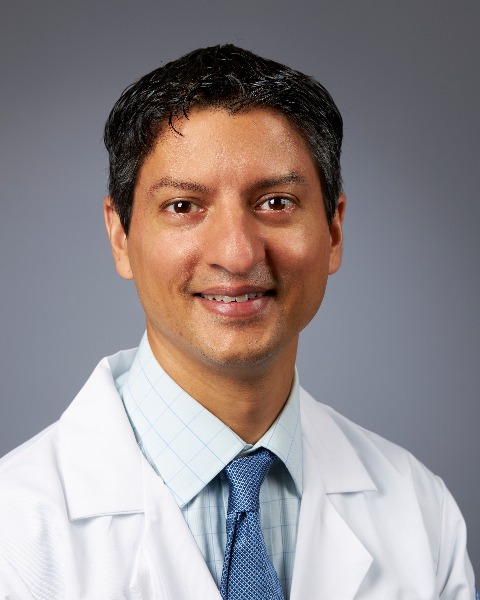
Suvranu Ganguli, MD, FSIR (he/him/his)
Chief, Interventional Radiology
Boston Medical Center/Boston University School of Medicine, Massachusetts, United States

Susie Park, MD
Associate Professor
Harbor UCLA Medical Center, California, United States
Steven Chen, MD
Chief of Interventional Radiology
Banner University Medical Center-Phoenix, Arizona, United States
Andrew Picel, MD
Clinical Associate Professor
Stanford Health Care, California, United States

Maha M. Jarmakani, DO (she/her/hers)
Assistant Professor
OU Health-University of Oklahoma Medical Center, Oklahoma, United States
Patrick Sutphin, MD, PhD
Associate Professor
Massachusetts General Hospital, Massachusetts, United States
Bashar Nahab, MD
Assistant Professor of Radiology
University of Cincinnati, Ohio, United States

Aaron M. Fischman, MD
Professor of Radiology and Surgery
Mount Sinai Health System, New York, United States

Paula Novelli, MD, FSIR (she/her/hers)
Associate Professor of Radiology
University of Pittsburgh Medical Center, Interventional Radiology Division, Pennsylvania, United States
David Tahour, MD
Director, Vascular & Interventional Radiology
MemorialCare Imaging Center, California, United States
A prospective, single‑arm, multicenter study to evaluate the safety and effectiveness of Embrace Hydrogel Embolic System (HES), for transcatheter embolization of peripheral arterial bleeds. Embrace HES is not currently approved for commercial use in this indication, the safety and effectiveness of Embrace HES for hemorrhage control has not been established.
Materials and Methods:
Embrace HES consists of 2 low-viscosity liquid precursors that when simultaneously injected intravascularly crosslink to form a soft, polyethylene glycol (PEG) hydrogel. 130 subjects (mean age 58.0 years, 63.1% male), presenting with peripheral arterial bleeds in vessels (< 6 mm) were enrolled at 22 US centers. Clinical follow-up was conducted through 30 days.
The primary safety endpoint was freedom from major adverse events (MAE) through 30 days compared to a literature-derived performance goal of 80%. Events meeting the MAE definition included: non-target embolization and/or bowel ischemia for upper GI bleeds (confirmed endoscopically and/or radiographically), or toxic/allergic reaction to HES manifesting as anaphylaxis or acute kidney injury. MAEs were adjudicated by an independent Clinical Events Committee as definitely or probably attributable to the device and/or procedure and Grade ≥ 3 (2017 Society of Interventional Radiology Guidelines). The primary effectiveness endpoint, Clinical Success, was the absence of bleeding from the target lesion after embolization with Embrace without subsequent embolics, emergency surgery, re-embolization or other target vessel re-interventions due to rebleeding within 30 days post procedure.
Results:
Preliminary endpoint results are based on 110 subjects. 20 subjects were unevaluable due to early exit (< 30 days, death or lost to follow-up). The primary safety endpoint was successfully met with 100% Freedom from MAE (lower 95% CI = 97.21%%, p-value < 0.001). Clinical Success was achieved in 90.0% (95% CI - 82.81% , 94.90%), p-value < 0.001).
Conclusion:
Preliminary results in this pivotal study suggest that the Embrace Hydrogel Embolic System met both its primary endpoints for transcatheter embolization of peripheral arterial bleeds.