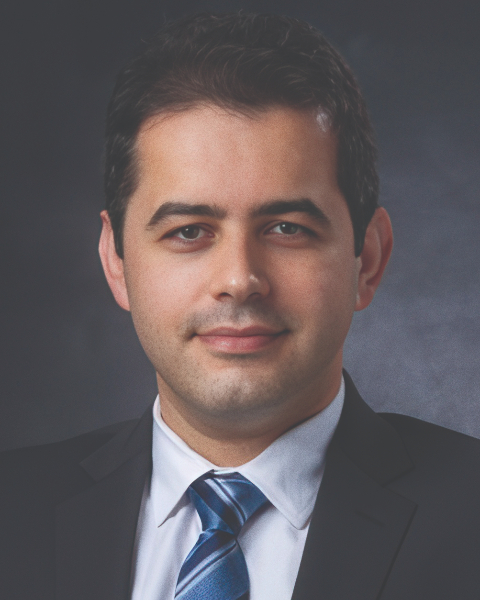
Associate Professor MD Anderson Cancer Center, Texas, United States
This Categorical Course provides a practical, evidence-based update on curative-intent ablation for colorectal liver metastases (CLM). The session is designed for practicing interventional radiologists, early-career IRs, and trainees, with a strong emphasis on current scientific evidence, clinical decision-making, procedural technique, and integration of emerging technologies that are shaping the future of interventional oncology.
Learning Objectives:
Identify ideal candidates for curative-intent thermal ablation based on clinical and technical characteristics
Summarize key trial data (COLLISION, MAVERIC,) that inform survival and local outcomes following CLM ablation.
Apply evidence-based workflow strategies using software-based ablation confirmation and margin assessment (ACCLAIM, COVER-ALL, NEW-COMMET).; Evaluate the practical role of non-thermal technologies-IRE, histotripsy, PEF-in tumors not well served by traditional thermal ablation.; Assess how Y-90 segmentectomy and high-dose selective internal radiotherapy fit into the modern curative-intent paradigm for liver tumors.

.png)
.jpg)
.jpg)